Independent guide · Casino
How progressive jackpots grow, trigger and change game RTP and volatility
A clear, evidence‑led explanation of how progressive jackpots are funded, the common trigger models, and how they alter base‑game return and variance — with a worked numeric example you can reproduce.
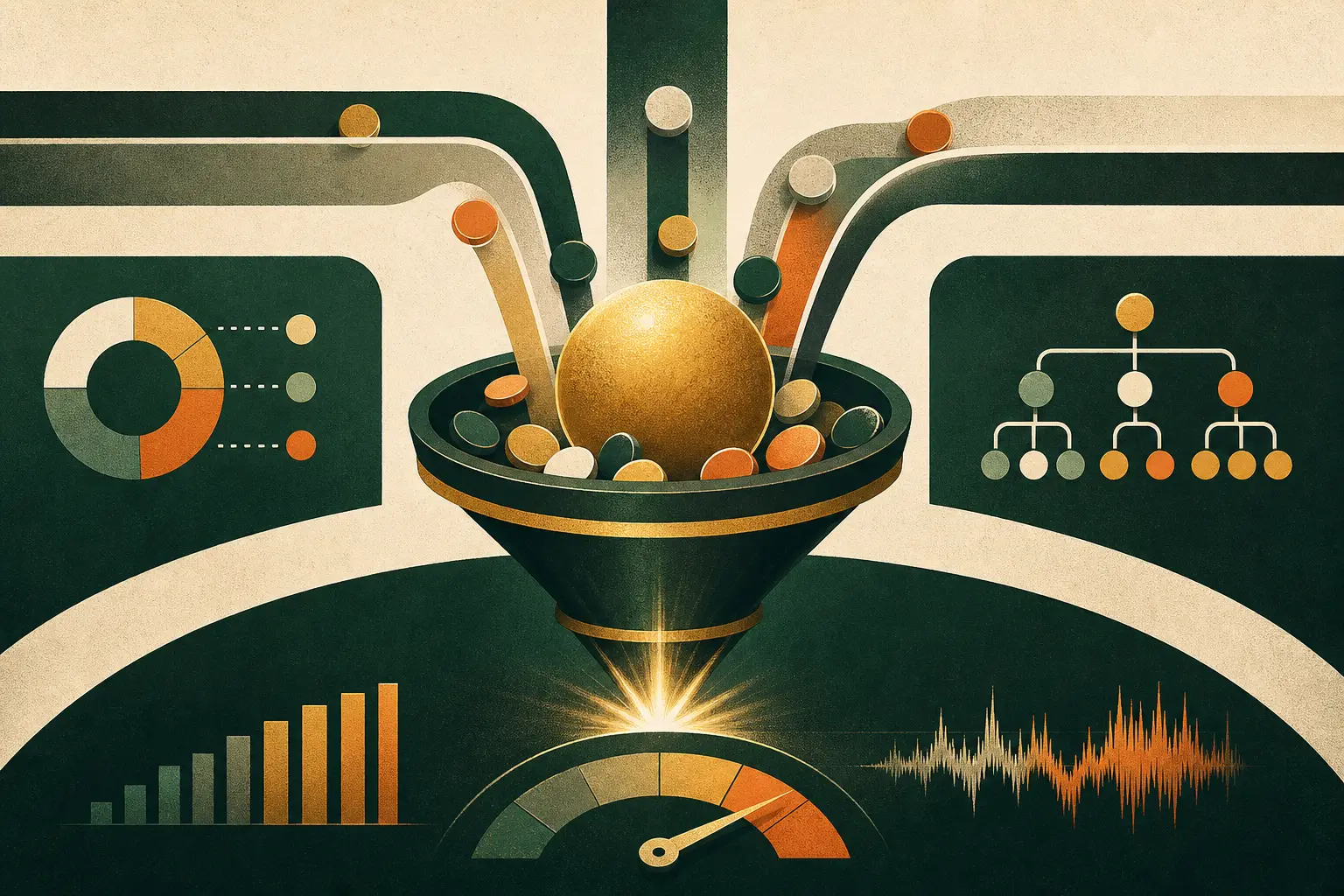
Progressive jackpots divert a small fraction of each qualifying wager into a pooled meter; this reduces base‑game payback but concentrates expected return into rare large wins, increasing variance. Regulations and standards require clear disclosure of funding and trigger rules so RTPs can be reported correctly.
What progressive jackpots are and types of pools
A progressive jackpot is a prize pool that grows as qualifying wagers are placed. Each qualifying bet diverts a defined fraction — the contribution rate — into a meter that accumulates until a win condition triggers a payout.
Progressives are commonly implemented as standalone (single machine/game), local/linked (machines within a venue or operator group) or wide‑area/network progressives that link many machines or sites. Network progressives grow faster per unit time because they aggregate contributions from many players.
- Contribution rate: small fraction of each bet (typical industry range ~0.5%–5%).
- Pool types: standalone, local/linked, wide‑area/network.
How the meter is funded and regulatory disclosure
Funding is normally automatic: each qualifying wager transfers the contribution amount into the progressive meter. Some systems use a seed or reset value to determine the meter when the jackpot last paid or was seeded.
Regulators and standards (e.g., UK RTS 9 and GLI documents) require operators to document how contributions are handled, which bets qualify, and whether RTPs are reported inclusive or exclusive of the progressive component. Test houses verify these mechanics against declared math.
- Meter seed/reset values determine the post‑hit reset level.
- Standards require documentation of contribution handling and qualifying rules.
Common trigger models and eligibility
Two common trigger models are paytable triggers — where a particular symbol combination or bonus outcome on the base RNG pays the jackpot — and random/house‑draw triggers — where qualifying bets enter a separate random draw or prize table. Both must be defined in the game’s rules.
Trigger probability (p_jack) can be extremely small for large networked progressives. Standards require the trigger behaviour to match declared probabilities in the operator’s technical documentation, but exact p_jack is not always public to players.
- Paytable trigger: tied to base RNG outcomes.
- Random draw trigger: separate event with each qualifying bet.
How progressives change RTP reporting
Overall RTP for a progressive game comprises two components: the base‑game RTP (regular paytable outcomes) and the expected jackpot RTP (expected jackpot payout per unit wager). Some jurisdictions allow a single combined RTP figure; others require a clear breakdown.
If c is the contribution fraction of each bet, base‑game payouts to non‑jackpot outcomes will typically be reduced by roughly c compared with an identical non‑progressive version when the reported RTP is shown inclusive of the jackpot.
- RTP_overall = RTP_base_excluding_jackpot + RTP_jackpot
- Contribution reduces base‑game average payouts unless RTP is reported exclusive of the jackpot.
Practical checklist
- Verify the game’s declared contribution rate and qualifying bet rules (game rules or math summary).
- Check whether the published RTP is combined or broken down by jackpot component.
- If using numeric examples, obtain the game’s trigger probability or math summary from a test house or provider.
- Include a clear responsible‑use note: RTPs are long‑run averages; progressives increase short‑term variance.
Sources and further reading
Fact-checked: . External sources open in a new tab.
- RTS 9 – Progressive jackpot systemsUK Gambling Commission
- GLI‑12: Progressive Gaming Devices (standards/guidance)Gaming Laboratories International (GLI)
- How electronic gambling machines workAustralian Institute of Family Studies