Independent guide · Payments
What a Verification of Payee Result Means Before a SEPA Transfer
If your bank shows a Verification of Payee result before you confirm a SEPA transfer, it is comparing the name you entered with the IBAN held by the recipi
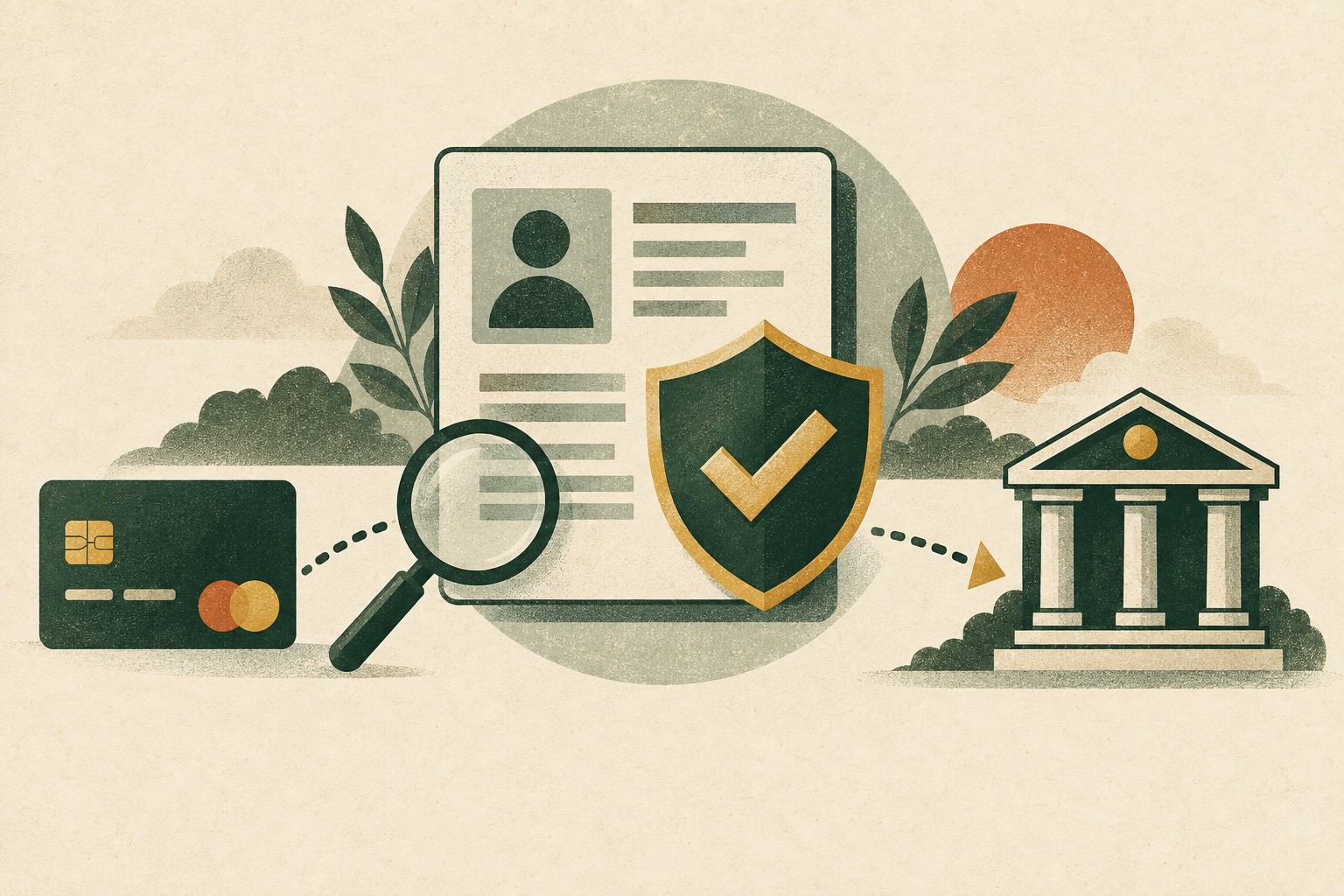
If your bank shows a Verification of Payee result before you confirm a SEPA transfer, it is comparing the name you entered with the IBAN held by the recipient’s payment provider. The result is meant to give you one last piece of information before the money leaves your account. Treat anything other than a clear match as a reason to pause. A mismatch can be as ordinary as a spelling error or an old trading name. It can also be the first visible sign that someone has sent you altered payment details. A match is useful, but it is not proof that the person asking for money is genuine.
Why the check has appeared
Verification of Payee, often shortened to VOP, is part of the EU’s move towards safer instant euro payments. Regulation (EU) 2024/886 entered into force on 8 April 2024. In euro-area Member States, payment providers have had to receive instant euro transfers since 9 January 2025; the requirement to offer sending of instant euro transfers and payee verification applied from 9 October 2025.
The check is not limited to instant transfers. For the transfers within its scope, it is performed before a payer authorises a standard or instant euro credit transfer, and it must be offered free of charge to the payer. The European Payments Council’s Verification Of Payee scheme provides a shared way for participating providers to exchange the check.
In practical terms, your provider sends a request containing the IBAN and the payee name you supplied. The receiving provider compares those details with its records and returns a result. The wording and screen design will vary between apps, but the logic is broadly the same.
When a match is reassuring, and when it is not enough
A match means the receiving provider found a correspondence between the submitted name and IBAN. That can prevent a simple transposition error and is valuable when you have copied details from a reliable invoice or contract.
It does not establish who controls the account, why they are asking you to pay, or whether an email thread has been compromised. The European Payments Council is clear that VOP is an information and messaging service, not a payment instrument or a way to identify a private person or company.
That distinction matters most when payment instructions change. A supplier may genuinely replace a bank account after a merger or a banking change. Fraudsters also exploit that expectation by sending a convincing message that announces “new details” just before an invoice falls due. A matching name and IBAN cannot resolve that wider question.
How to handle changed bank details
Do not verify a changed IBAN by replying to the message that delivered it. Use a contact route you already knew before the request: the telephone number on a previous contract, an existing supplier portal, or a number published on the organisation’s own website. Ask the recipient to confirm the account details, and record who confirmed them if your payment process requires it.
For a personal payment, use a number or messaging channel you have previously used with that person. If the transfer is urgent, large or unusual, slow the process down rather than relying on the urgency in the message. A genuine recipient can normally tolerate a short verification call; a scam often depends on preventing one.
If the result is a close match, do not “correct” the name based on a guess. Ask which account-holder name the recipient expects you to use. If it is no match, assume there is either an error or a risk worth resolving before you authorise the payment. Once a bank transfer has been completed, recovery can be difficult.
A short pre-transfer routine
Before you approve a new or changed bank transfer, read the result rather than tapping through it. Compare the amount, recipient and purpose with the invoice or agreement. If anything is unexpected, verify through an established independent channel. For recurring payments, review changes with the same care as a first payment; familiarity is exactly what invoice-redirection scams try to exploit.
For business payments, it is sensible to separate the person who receives a change request from the person who validates it. That need not mean a complicated process. A brief call-back to a known number and a second pair of eyes on a new beneficiary can stop a costly mistake.
Practical checklist
Sources and further reading
Fact-checked: . External sources open in a new tab.