Independent guide · Crypto
Destination tags, memos and payment IDs: what they are and what happens if you omit them
Clear, practical explanation of destination tags/memos/payment IDs, why custodial services use them, how networks behave when they’re missing, and what to do if your deposit goes uncredited.
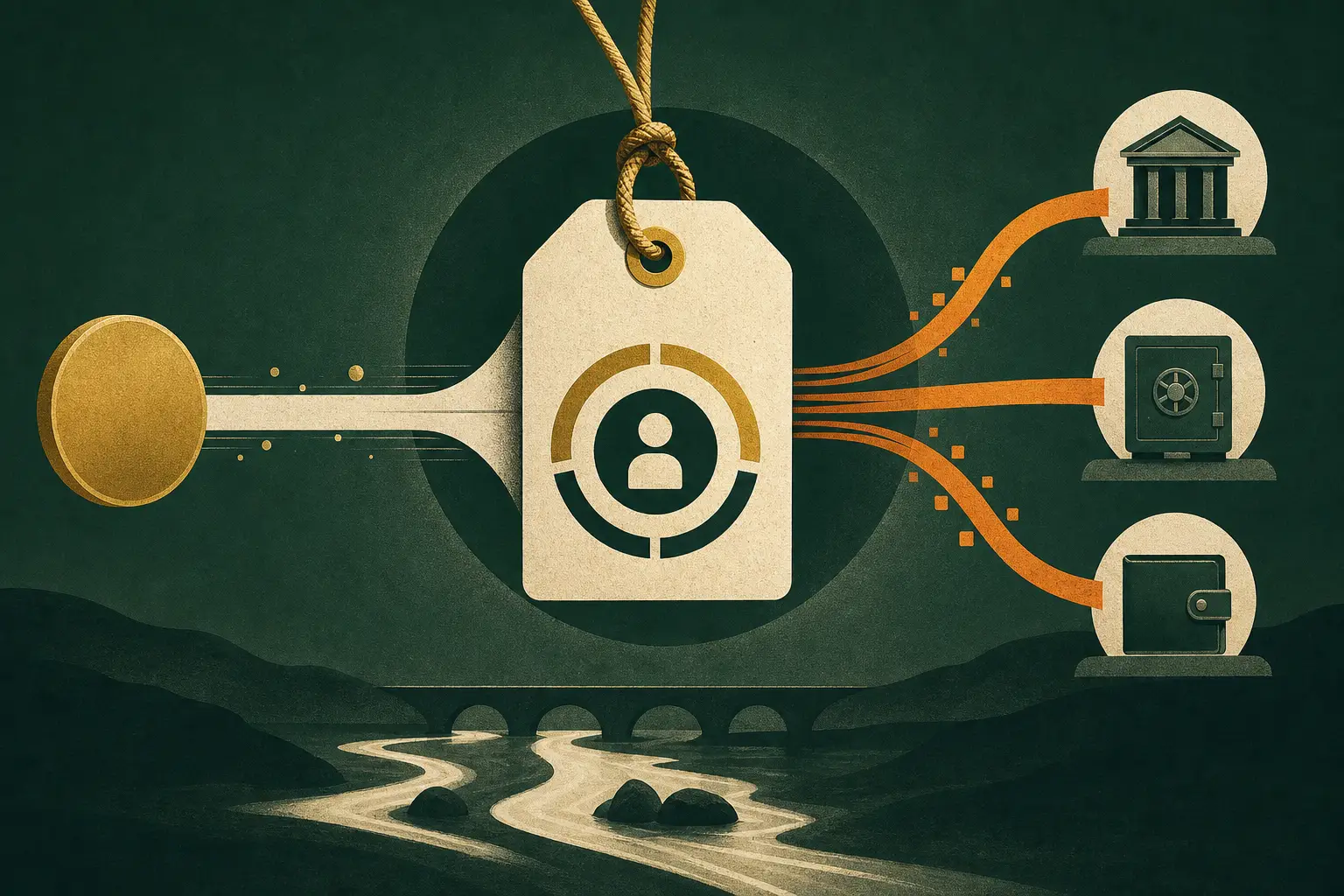
Destination tags, memos and payment IDs are off‑ledger routing fields used by custodial services to map a shared on‑chain address to an internal account; missing or wrong fields can either cause a network rejection (on some blockchains) or an accepted transaction that the recipient must manually recover — recovery is discretionary and often slow and costly.
Network behaviour versus operator behaviour
Some networks offer protocol‑level controls. For example, the XRP Ledger supports a 'Require Destination Tag' flag that can cause the ledger to reject transactions sent to that address without a tag. When that flag is set, missing tags cause transaction failure and funds remain with the sender. (Source: XRPL docs.)
On networks that do not reject missing tags, the blockchain will still record and confirm the transfer to the address. In that case, whether the intended recipient credits the payment depends on the operator’s off‑chain systems and policies — exchanges typically must detect and attribute the deposit, often manually if the tag is missing or wrong.
- Protocol can reject missing tags on some chains (e.g., XRPL require‑tag flag). [https://xrpl.org/docs/tutorials/compliance-features/require-destination-tags?utm_source=openai]
- If network accepts the payment but tag is missing, the operator must manually attribute or recover it.
What happens when a tag/memo/payment ID is missing or wrong
There are two broad outcomes: (a) the network rejects the transfer (funds stay with sender), or (b) the network accepts the transfer to a shared address and the recipient’s systems do not automatically credit the sender’s account. Which outcome occurs depends on the protocol and whether the recipient has enabled rejection flags or uses unique addresses.
When a transfer is accepted but uncredited, custodial operators normally require you to submit a support request. They will locate the on‑chain transaction and attempt to match it to an internal account using available metadata, sender evidence and KYC. Recovery may succeed, be denied, or be impossible if funds were withdrawn or the asset is unsupported.
- Accepted but uncredited payments typically require manual recovery and evidence from the sender. [https://www.binance.com/en/support/faq/detail/40b87335db904481888ef406b105442b]
- Rejection by ledger returns funds to sender (no deposit). [https://xrpl.org/docs/tutorials/compliance-features/require-destination-tags?utm_source=openai]
Operator policies, recovery process and limitations
Exchanges and custodians differ in policy and capability. Some provide self‑service recovery tools; most require support tickets that request TXID, sending address, timestamps and proof. Operators often reserve the right to charge a recovery fee, and recovery is discretionary. (Sources: Binance, Kraken.)
Recovery can be slow (days to many weeks) and is not guaranteed. If the recipient does not support the token or the funds have been withdrawn, recovery may be impossible. Always check the receiving platform’s specific deposit instructions before sending.
- Recovery is manual, can be time‑consuming, and may incur fees; success is at operator discretion. [https://www.binance.com/en/support/faq/detail/40b87335db904481888ef406b105442b]
- If the recipient does not control the asset or it was moved, recovery becomes infeasible. [https://support.kraken.com/articles/360001488126-cryptocurrency-deposit-is-missing]
Practical checklist
- Before sending, read the recipient’s deposit page and copy any tag/memo exactly (numeric/text and case matters).
- If the recipient provides a muxed/X‑address that embeds the tag, prefer it if your wallet supports it.
- Perform a small test transfer first and confirm it is credited before sending the full amount.
- If funds are missing, collect TXID, sending address, receiving address, amount, timestamp and screenshots, then open the recipient’s official support/recovery form.
Sources and further reading
Fact-checked: . External sources open in a new tab.
- Source and Destination TagsXRP Ledger (developer docs)
- How to Retrieve Crypto Deposit with Wrong or Missing Tag/MemoBinance Support
- Cryptocurrency deposit is missingKraken Support